Expertise you can trust
Jewel Nests is recognized for its modern minimalist aesthetics and seamless, transparent shopping experience. This Jewel Nests diamond guide explores how lab grown diamonds compare to natural diamonds, what to consider regarding price and quality, and how to choose the perfect sustainable stone for your dream engagement ring. Every guide is carefully researched and reviewed by our expert design and gemological teams to ensure absolute accuracy and trust for your lifetime milestones.

What Is a Lab Grown Diamond?
A lab grown diamond is a real, certified diamond produced in a highly controlled laboratory setting rather than being mined from the earth. Sharing the exact same physical, chemical, and optical properties as a natural stone, a man-made diamond is composed of pure carbon arranged in a crystal lattice structure—giving it the identical exceptional hardness, fire, and brilliance. These sustainable gems begin as tiny diamond seeds and are grown using advanced technological methods like High Pressure High Temperature (HPHT) or Chemical Vapor Deposition (CVD). Once the rough stone matures, it is meticulously cut, polished, and graded to the highest industry standards before being beautifully set into a Jewel Nests engagement ring, offering a stunning choice for those seeking conflict-free, ethical luxury without compromising on quality.
Shop By Shape
Explore Jewelnests’ Shop by Shape collection of lab-grown diamond engagement rings. From round, oval, emerald, radiant, cushion to pear cuts find the perfect diamond shape that matches your style
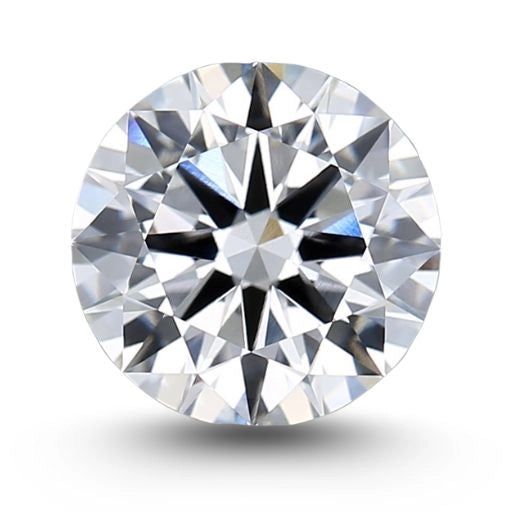
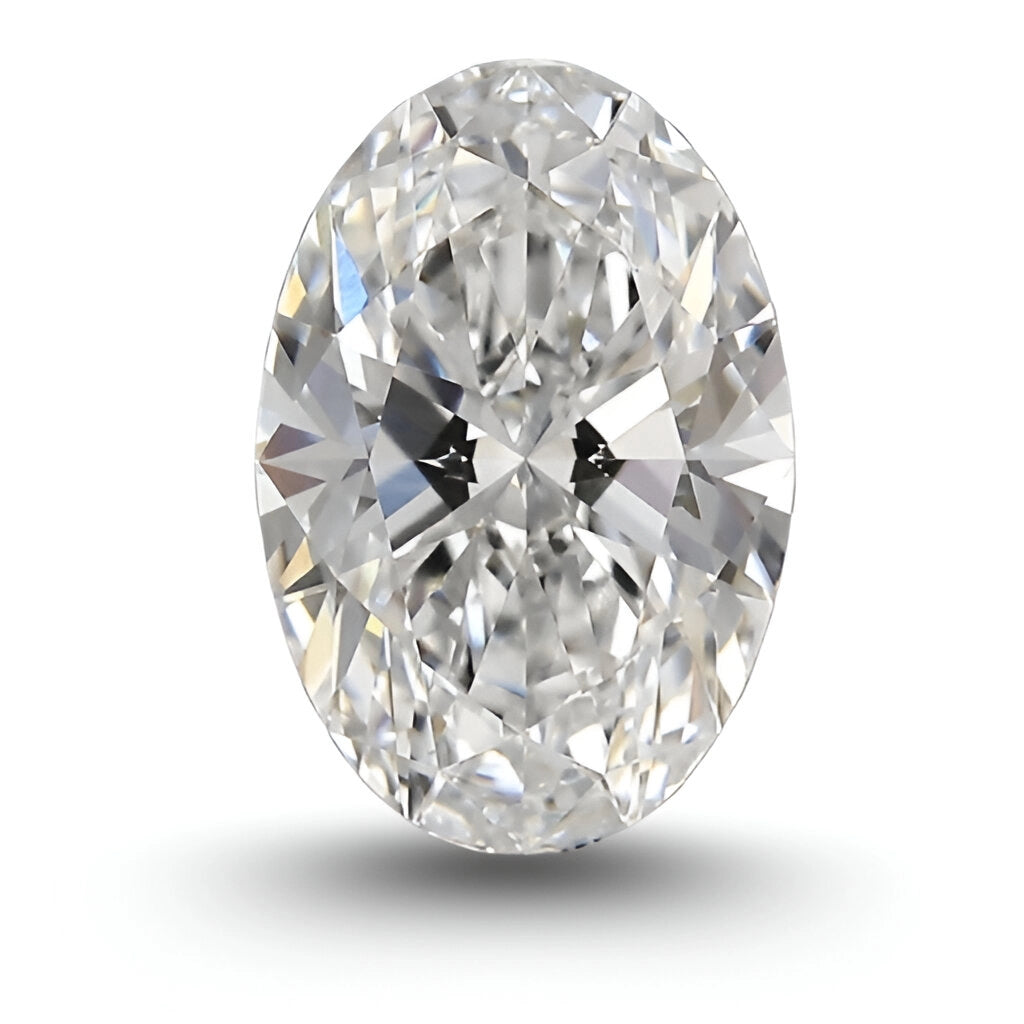
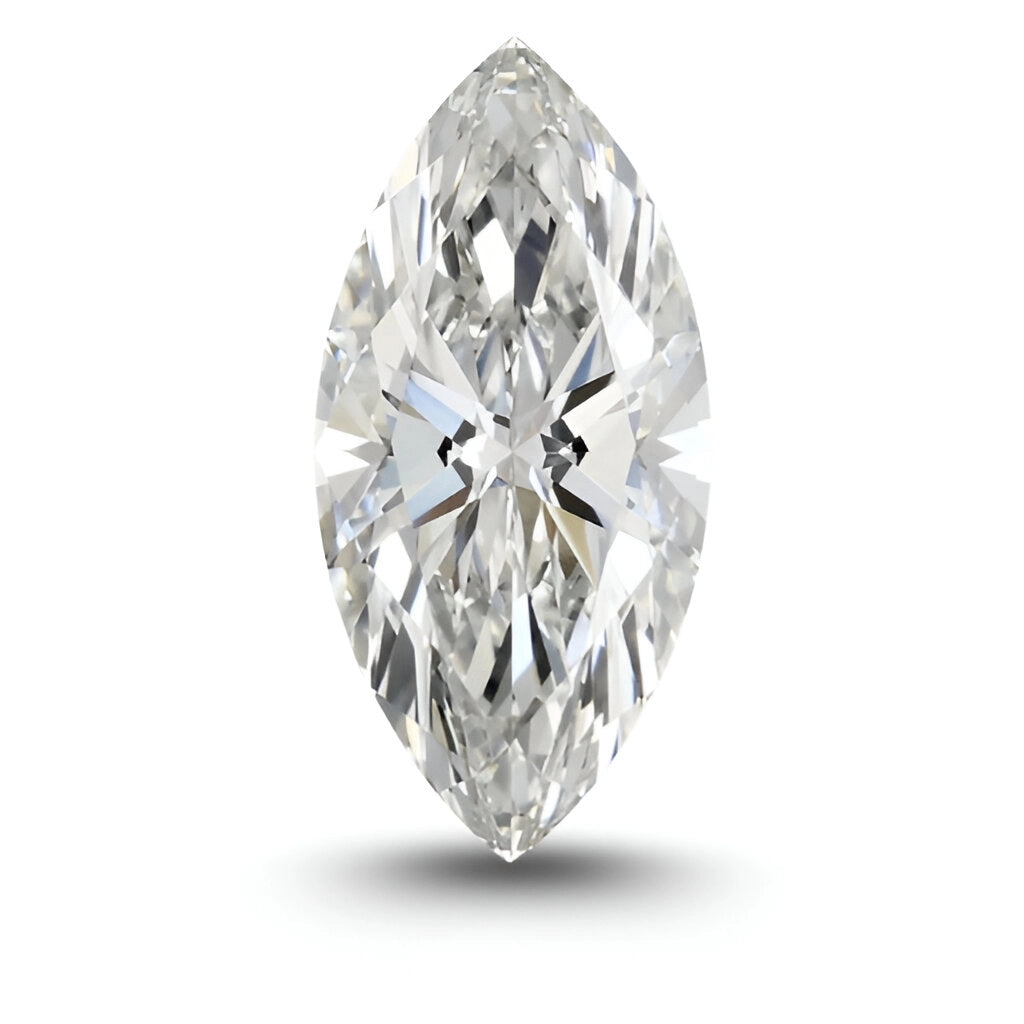
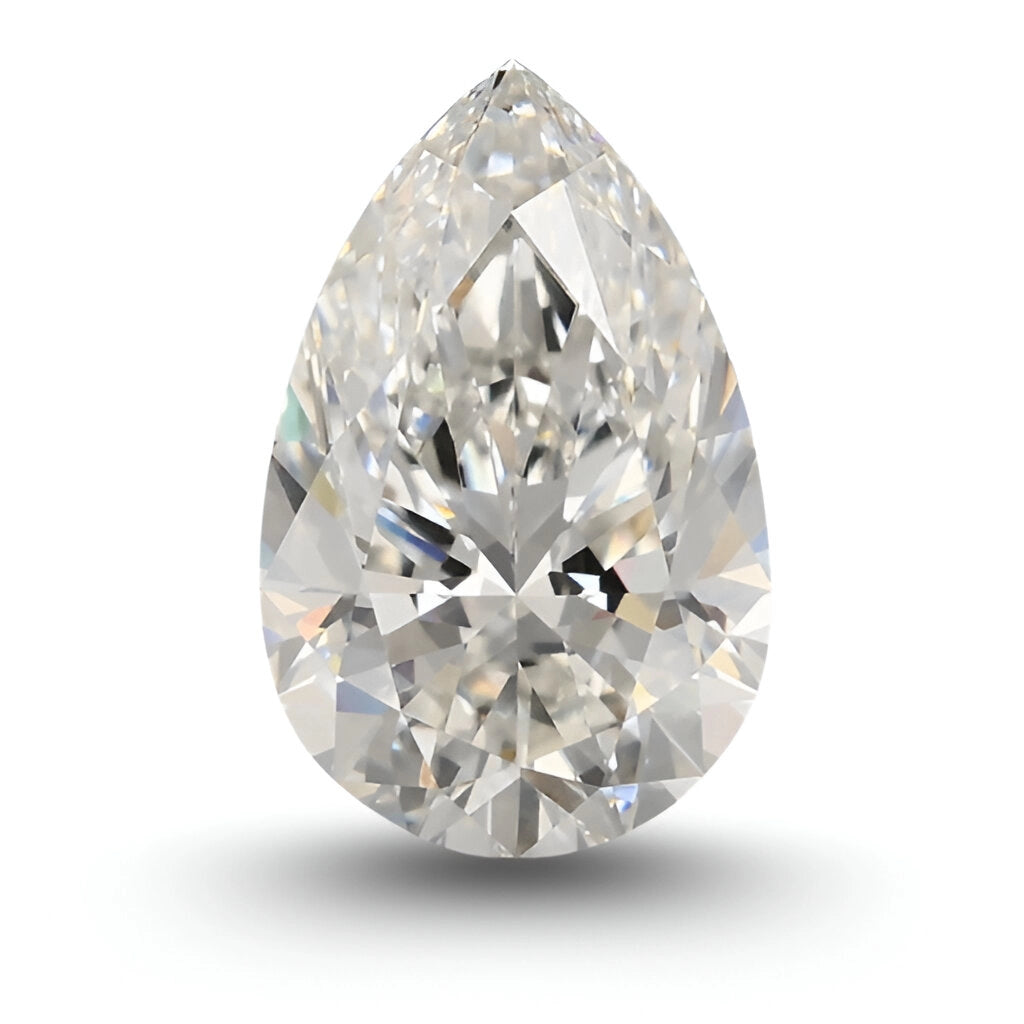
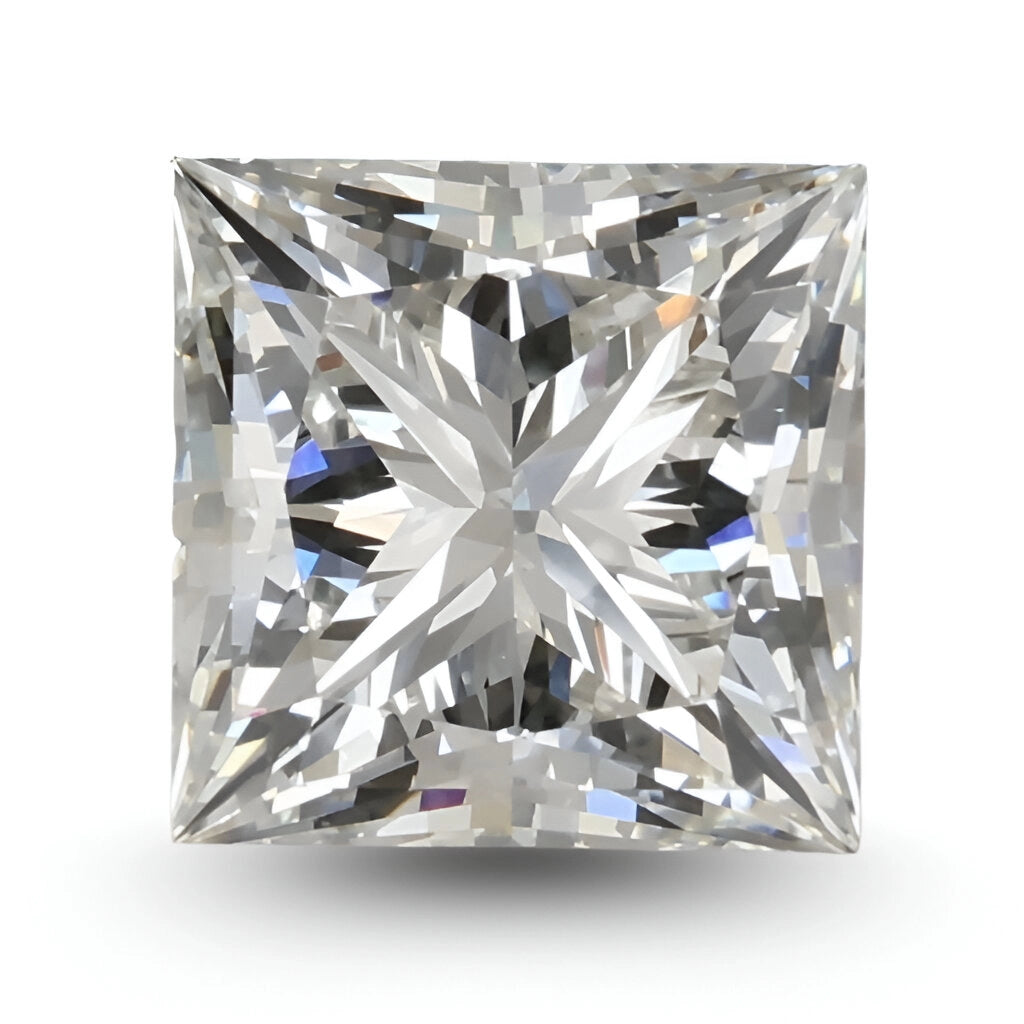
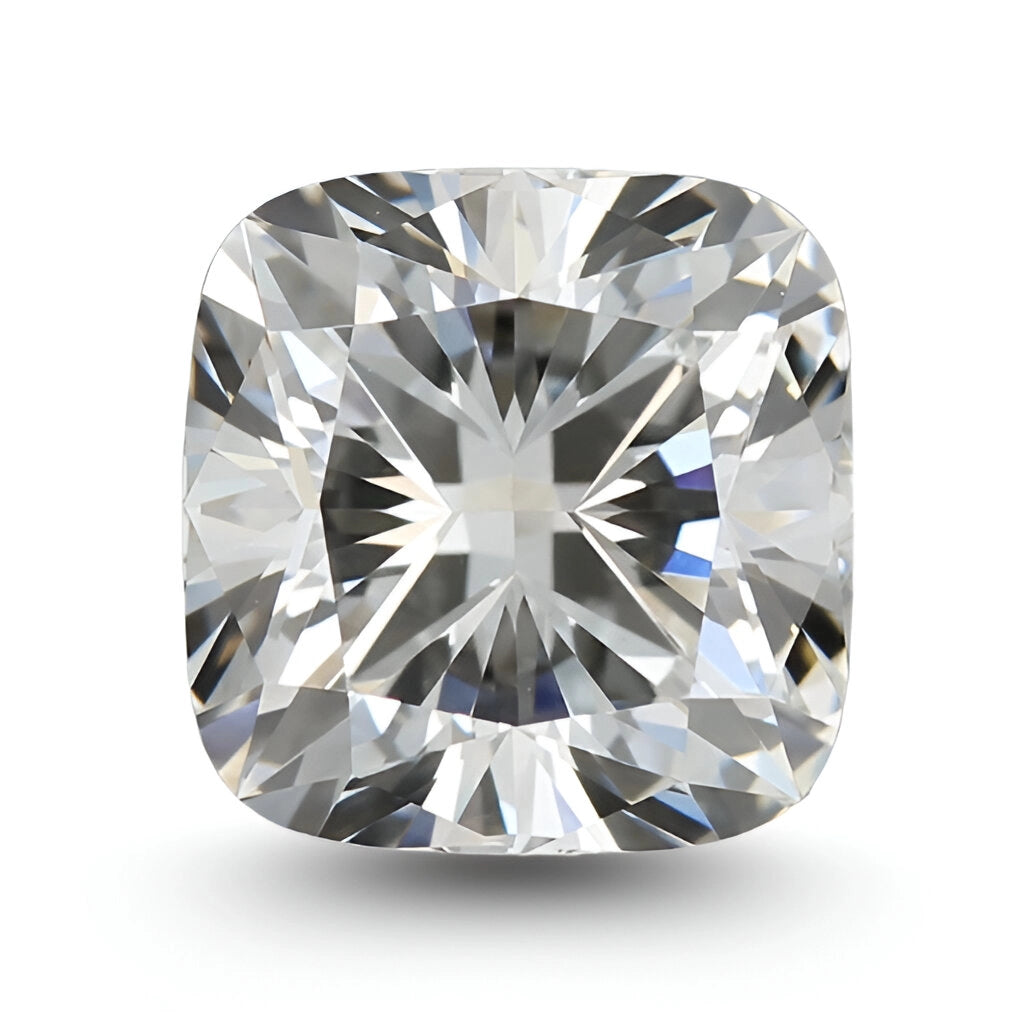
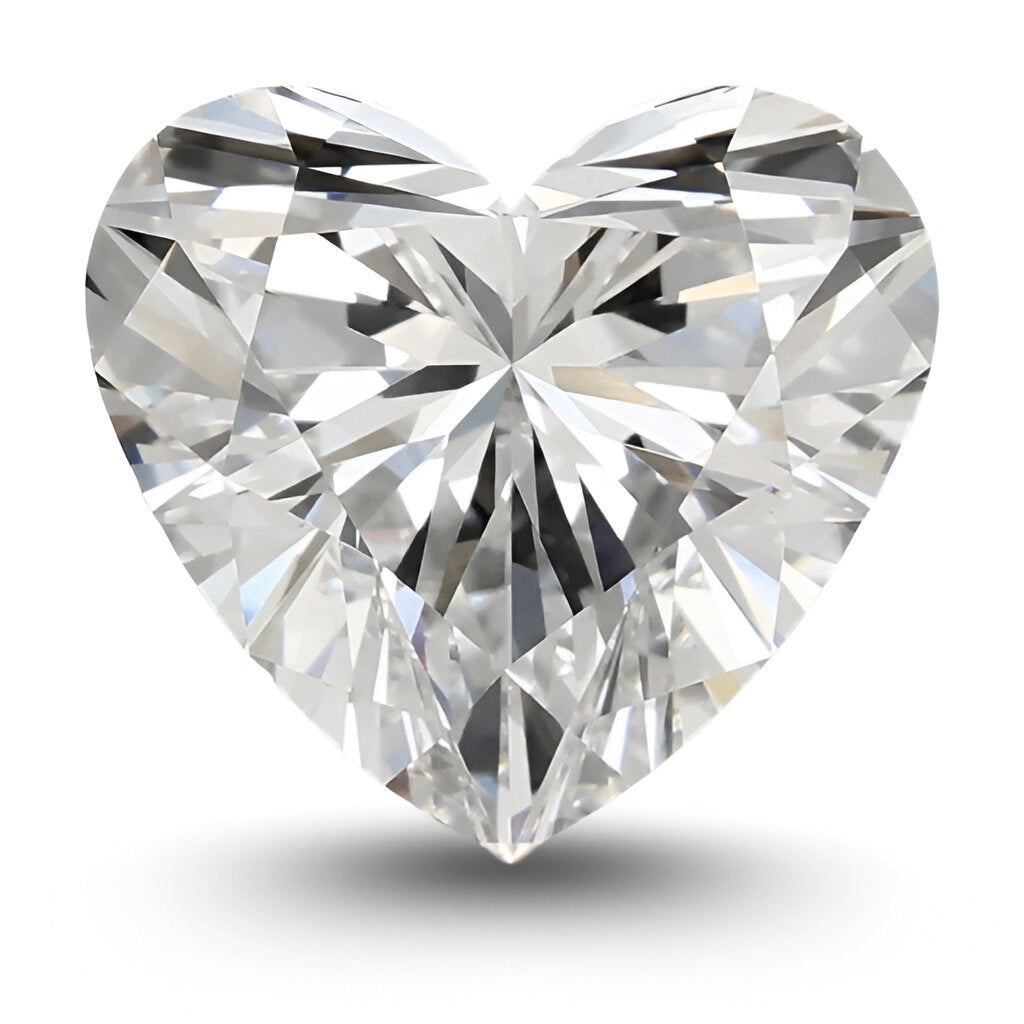
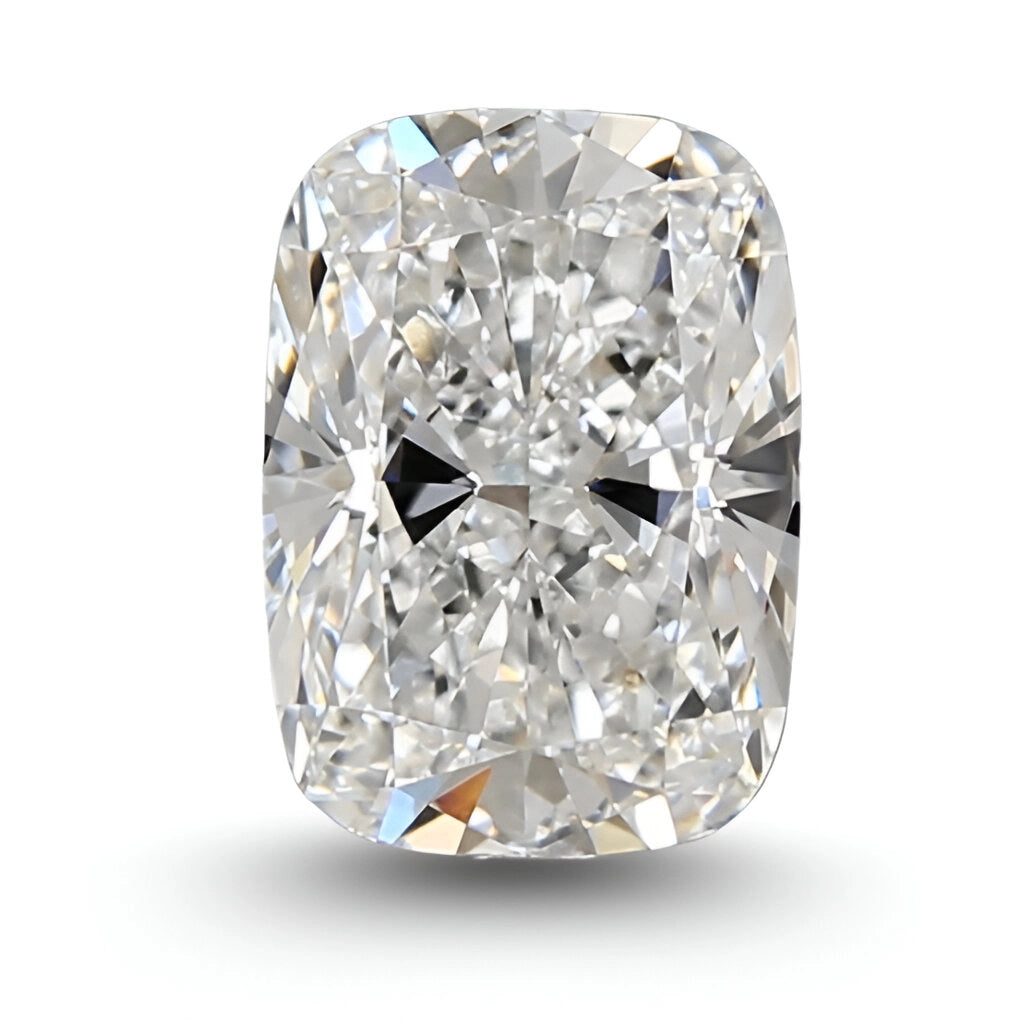
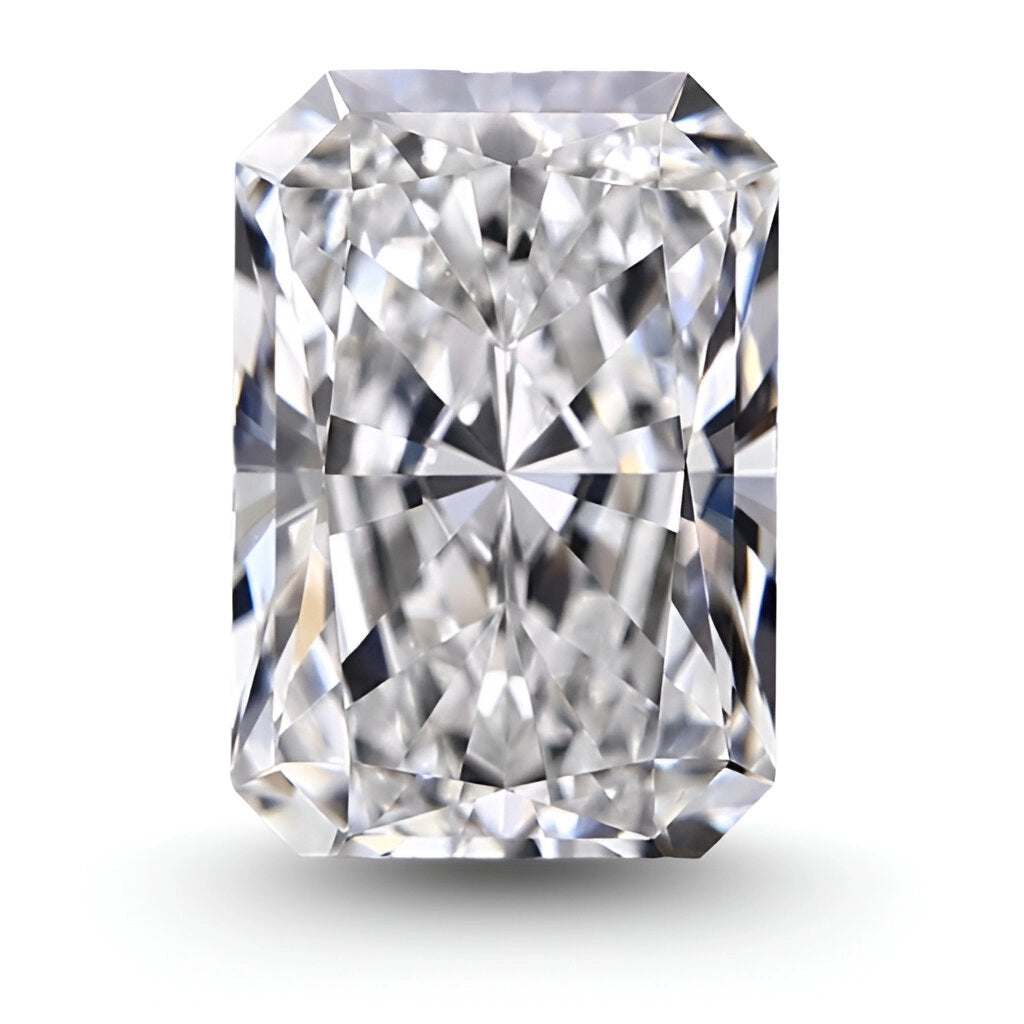
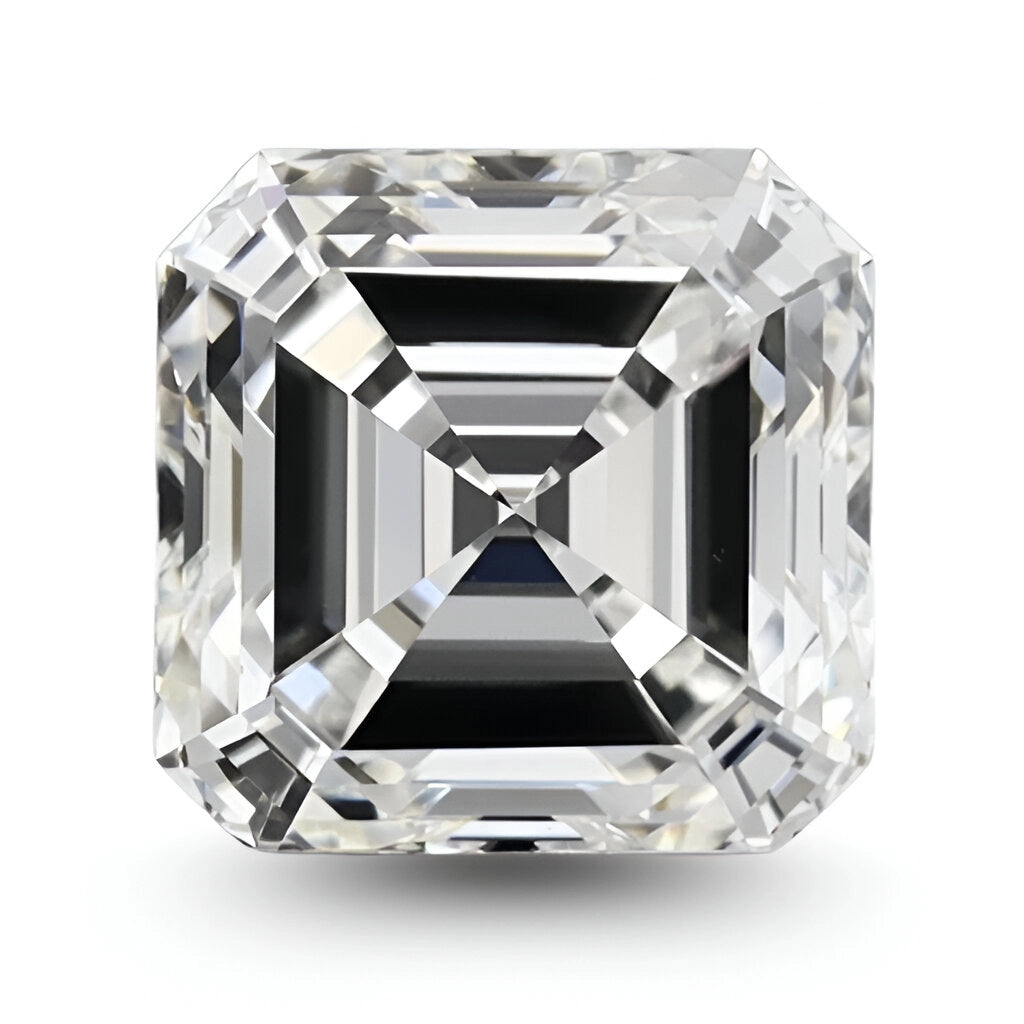
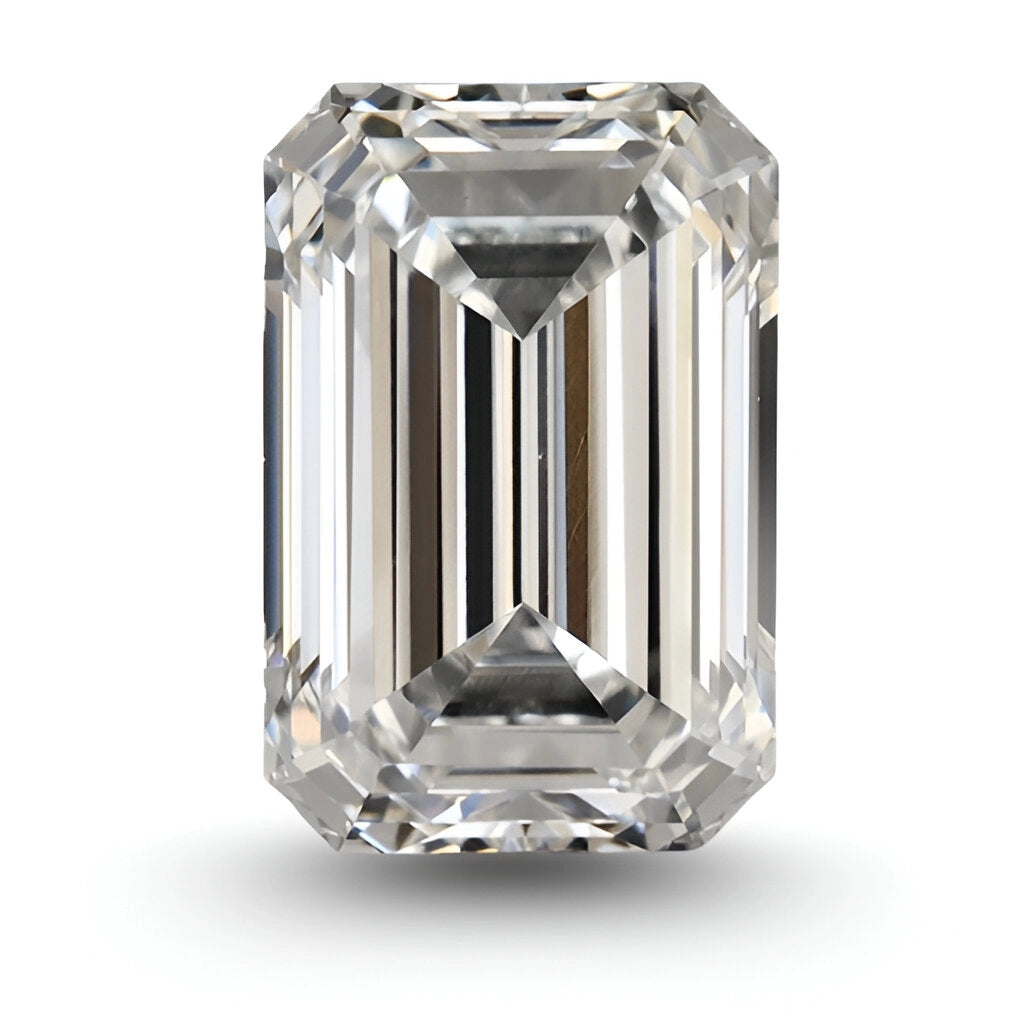
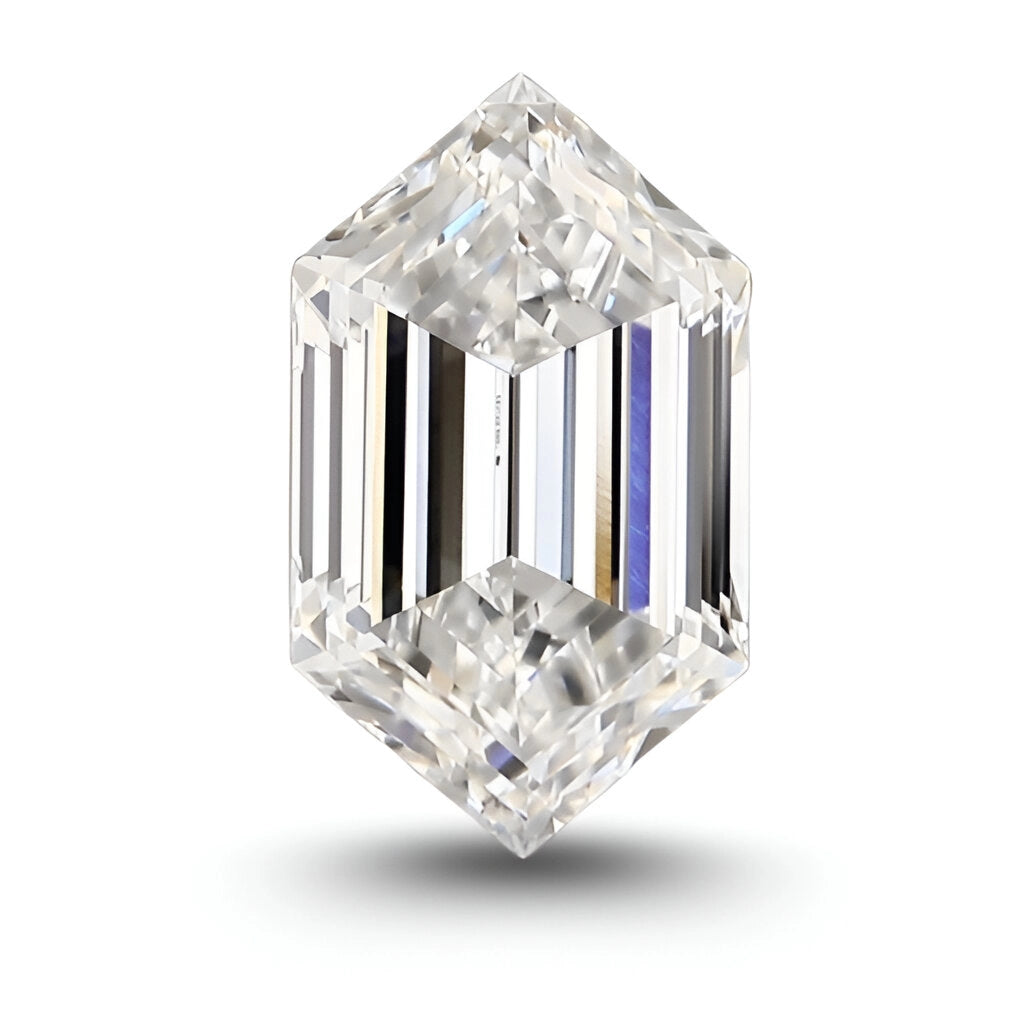

Are Lab Grown Diamonds Real?
Yes, lab-grown diamonds are absolutely real diamonds, possessing the identical chemical, physical, and optical properties as their earth-mined counterparts. The only difference between them is their origin; while natural stones are formed underground over billions of years, man-made diamonds are cultivated in advanced laboratories using highly sophisticated technology. In fact, even a certified gemologist cannot tell them apart without specialized equipment because both share the exact same pure carbon structure, exceptional brilliance, and everlasting durability. For modern couples seeking sustainable jewelry, choosing a certified lab-grown diamond for a Jewel Nests engagement ring means investing in an authentic, conflict-free gemstone that delivers maximum fire, luxury, and clarity at a much more accessible price point.
Lab Grown Diamond vs. Natural Diamond: Side-by-Side Comparison
Here is how a lab grown diamond and a natural diamond compare across key characteristics.
| Characteristic | Lab Grown Diamond | Natural Diamond |
|---|---|---|
| Chemical Composition | Pure crystalline carbon | Pure crystalline carbon |
| Durability & Hardness | 10 on the Mohs scale (Maximum scratch resistance) | 10 on the Mohs scale (Maximum scratch resistance) |
| Brilliance (Refractive Index) | Identical optical properties; refractive index ranges from 2.417 to 2.419 | Identical optical properties; refractive index ranges from 2.417 to 2.419 |
| Color & Clarity Options | Highly curated premium selections, specializing in exceptional D/E/F colorless grades and VS-VVS clarity. | Available across a wide spectrum of natural color and clarity grades, from flawless to heavily included. |
| The 4 Cs Grading | Evaluated by the exact same industry standards: Cut, Color, Clarity, and Carat weight. | Evaluated by the exact same industry standards: Cut, Color, Clarity, and Carat weight. |
| Official Certification | Fully certified by leading independent gemological labs, such as the IGI, for stones 1.0 ct and above. | Certified by reputable independent gemological institutions like GIA or IGI. |
| Origin | Cultivated in advanced, highly controlled laboratory settings over several weeks using CVD or HPHT technology. | Formed deep within the earth’s mantle over billions of years under intense heat and pressure before being mined. |
| Price & Value | Significantly more accessible cost, allowing you to maximize carat size and diamond quality within your budget. | Premium pricing due to extensive supply chain overhead, massive excavation efforts, and natural scarcity. |
| Ethical Impact | A modern, conflict-free choice that offers sustainable luxury with a transparent, minimal environmental footprint. | Traditional, earth-mined choice that relies on terrestrial mining and resource extraction. |

Lab Grown vs. Natural Diamonds: What's the Same?
When comparing a lab grown diamond to an earth-mined alternative for your engagement ring, they share the exact same core properties that dictate a gemstone's visual beauty, fire, and daily performance. The physical and optical similarities include:
Chemical Composition: Both variations are composed entirely of pure carbon atoms tightly arranged in a crystalline lattice structure. From a chemical perspective, there is zero difference between a high-quality lab created diamond and a mined stone.
Unmatched Durability: Each option ranks a maximum 10 on the Mohs hardness scale. This makes them exceptionally resistant to scratching and everyday wear, making either choice perfectly suited for a lifetime diamond engagement ring.
Breathtaking Brilliance: Because they share the identical refractive index, a man-made diamond exhibits the exact same exceptional sparkle, light performance, and scintillation as a natural gemstone.
In Summary: Lab grown diamonds and natural stones are completely identical in every physical and optical characteristic that impacts eye-catching sparkle, enduring durability, and structural performance.

Lab Grown vs. Natural Diamonds: What's Different?
While they look completely identical to the naked eye, the core distinctions between lab-cultured diamonds and natural diamonds come down to three primary factors: origin, scarcity, and overall value. The differences break down as follows:
Geographic Origin: Natural diamonds are formed deep within the earth’s mantle over billions of years under extreme volcanic heat and intense pressure before being mined. Conversely, sustainable lab-grown diamonds are cultivated using cutting-edge technology (like CVD or HPHT) in highly controlled laboratory environments over a matter of weeks. Despite the modern origin, the final result is an authentic diamond.
Rarity & Availability: Earth mined diamonds are a finite natural resource reliant on strict geological conditions. Because lab-diamonds are grown through scalable scientific processes, their availability is not constrained by natural scarcity, allowing production to grow alongside technological advancements.
Value & Price Point: Because the cultivation process bypasses heavy terrestrial excavation and multi-layered mining supply chains, lab-grown engagement rings offer a significantly more accessible price point. This allows couples to prioritize elite color and clarity grades—such as premium colorless stones—while maximizing carat weight within their desired budget to create the ultimate custom engagement ring.

Can You Tell the Difference Between Lab Grown and Natural Diamonds?
To the naked eye, lab grown diamonds and natural diamonds are entirely indistinguishable. A high-quality lab grown diamond possesses the exact same brilliance, fire, and visual characteristics as an earth-mined diamond of the identical grade. Even trained jewelers and expert gemologists cannot reliably tell them apart without specialized, advanced laboratory equipment.
When conducting advanced testing to identify a stone's origin, gemologists look for specific microscopic features. Because of their unique formation environments, man-made diamonds may exhibit internal growth patterns that slightly differ from the classic octahedral growth patterns found in natural diamonds.
Whether you choose a natural stone or a sustainable alternative for your custom Jewel Nests diamond engagement ring, both will look completely identical on your finger, offering the same breathtaking sparkle for a lifetime.

How Are Lab Diamonds Graded & Certified?
To ensure absolute transparency and peace of mind when shopping for engagement rings, lab-grown diamonds go through the same rigorous grading and certification process as natural stones. Reputable, independent gemological laboratories—such as the GIA and IGI—evaluate every lab-certified diamond using the standard 4 Cs: Cut, Color, Clarity, and Carat weight. They apply the same strict scales, criteria, and level of professional scrutiny to both origins.
During this official grading process, certified gemologists:
1. Assess the overall quality and cut precision of the diamond.
2. Confirm its authentic diamond identity and map any internal characteristics.
3. Document its official specifications in a detailed grading report.
An official lab-grown diamond report will always clearly state that the stone is laboratory-grown, providing buyers with full transparency and confidence as they select the perfect, conflict-free centerpiece for their dream engagement ring.

Common Misconceptions About Lab Grown Diamonds
When searching for the perfect centerpiece for your engagement ring, it is easy to encounter conflicting information. There are several common misconceptions about lab-grown diamonds, often centered around how they compare to traditional earth-mined stones. Let’s debunk the most frequent myths:
Myth 1: Lab diamonds are "fake." This is entirely untrue. A lab-created diamond is a real diamond. They are chemically, physically, and optically identical to natural diamonds, sharing the exact same pure carbon structure.
Myth 2: They look different to the naked eye. In reality, man-made diamonds exhibit the identical fire, brilliance, and scintillation as mined stones. Even experienced gemologists cannot distinguish a lab diamond from a natural diamond without highly specialized laboratory equipment.
Myth 3: Lab-grown options aren't durable. Both origins rank a maximum 10 on the Mohs hardness scale. A lab-cultured diamond offers the ultimate scratch resistance, making it perfectly suited to withstand the daily wear of a lifetime diamond engagement ring.
Myth 4: Every lab diamond is flawless. Just like natural stones formed underground, diamonds grown in a lab undergo a unique crystallization process. This means they can contain natural characteristics and inclusions, which is why they are graded with the exact same clarity scales.
Pros and Cons of Lab Grown Diamonds
Choosing the right stone for a custom engagement ring involves weighing what matters most to you as a consumer, from budget to environmental impact.
The Pros: Support for Sustainable Practices. One of the biggest advantages of choosing lab-grown diamonds is their minimal environmental disruption. Because they are cultivated using advanced technology rather than heavy industrial excavation, their production typically yields a smaller carbon footprint. This makes them an ethical, conflict-free, and highly responsible choice for conscious couples seeking modern luxury.
The Cons: No Geological Rarity. Natural diamonds are valued largely due to their limited supply and ancient formation process, carrying a unique billions-of-years-old origin story. Lab-diamonds do not share this geological scarcity, as they are created efficiently in modern laboratory settings.
The Verdict: A Matter of Perceived Value. Ultimately, the decision comes down to personal preference rather than gemstone quality. Some buyers place symbolic value on a stone created by nature over millennia, while others prefer the unmatched accessibility, premium color/clarity selection, and sustainable appeal of a stunning lab grown diamond engagement ring.
Are Lab Grown Diamonds Worth It?
Once you understand how they match up physically and chemically, the next essential question is deciding whether a lab-grown diamond is the right choice for your custom piece. Selecting the ideal center stone depends entirely on what you value most for your milestone investment.
Why Choose a Lab Grown Diamond?
Maximize Your Engagement Ring Budget: A lab-created diamond typically costs significantly less than an earth-mined stone of similar quality. This unique affordability allows you to prioritize a much larger carat weight or invest in elite colorless (D-E-F) and high-clarity (VS-VVS) grades without extending your budget.
Prioritize Sustainable and Ethical Luxury: If eco-conscious sourcing and minimal environmental impact matter to you, a man-made diamond is an ideal solution. Grown in highly controlled laboratory settings rather than excavated through heavy industrial mining, they provide a transparent, conflict-free history that appeals to modern consumers.
Why Choose a Natural Diamond?
Value Geological Scarcity: If natural rarity is a key priority, earth-mined diamonds offer a finite availability. Formed deep within the earth over billions of years, their geological scarcity is a trait that many traditional buyers deeply appreciate.
Appreciate Tradition and Heritage: For some couples, an heirloom stone formed by nature carries an emotional and symbolic weight that a modern laboratory alternative cannot replicate.
Ultimately, choosing between a lab-grown diamond engagement ring and a natural diamond ring isn't a matter of real versus fake—as both options are authentic crystalline carbon. The best choice is simply the one that aligns with your personal values, aesthetic preferences, and financial budget.

Explore our collections
-

Engagement Rings
Engagement Rings Crafted for Your Forever Moment The moment you ask “Will...
-

Wedding Rings
Our wedding bands collection is built around that idea. Every ring here...


Our Services